

Built Differently: A Closer Look at What Makes a SteelSafe Storage Unit Stand Out
From the driveway, storage units can look pretty similar.
A door. Four walls. A place to put your things.
Look more closely at a SteelSafe unit, though, and there are physical differences worth noticing. SteelSafe self-storage units are built from heavy-duty steel shipping containers. Each unit is its own enclosed structure, with four solid steel walls and container-style doors and locking hardware.
And construction is only part of the comparison. The amount of usable space you’re getting for your monthly rate matters too.
Here’s a closer look at the actual SteelSafe unit.
Start With the Unit Itself
A SteelSafe unit isn’t a large building divided into individual spaces by thin interior partitions.
The unit itself is the structure.
SteelSafe uses heavy-duty steel shipping containers, creating an individual enclosed space surrounded by four solid steel walls.
Stand outside one and you’re looking at the actual exterior structure. Open the doors and that same structure forms the storage space inside.
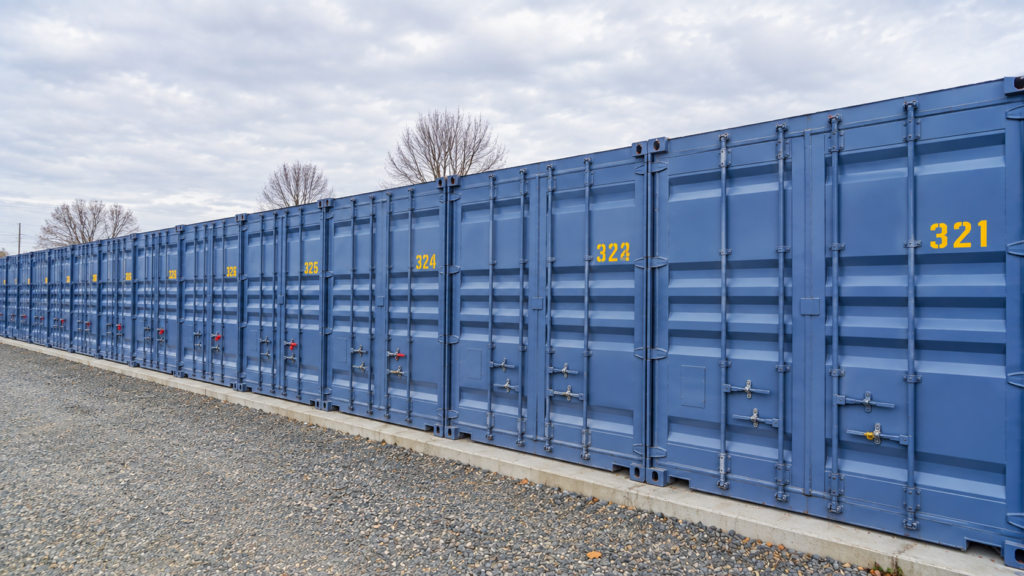
A SteelSafe unit is an individual, fully enclosed steel structure—not simply a space divided from the unit next door.
Four Solid Steel Walls
The individual enclosure is one of the easiest differences to see when examining a SteelSafe unit.
Instead of relying on thin shared divider walls between neighboring spaces, each SteelSafe container has solid steel exterior walls on all four sides.
That means the walls aren’t simply partitions defining where one rental ends and another begins. They’re part of the structure of the unit itself.
It’s a straightforward physical detail, but one customers may not think to examine when comparing storage options.
Then Look at the Doors
The doors may be the most noticeable difference the first time you stand in front of a SteelSafe unit.
Rather than the conventional roll-up door many people associate with self-storage, SteelSafe units use shipping-container-style doors with locking bars and dedicated locking hardware.
They operate differently, too.
The locking bars rotate and disengage before the doors swing open. SteelSafe has a short demonstration showing customers how the door system works.
Watch How SteelSafe Storage Unit Doors Open & Close
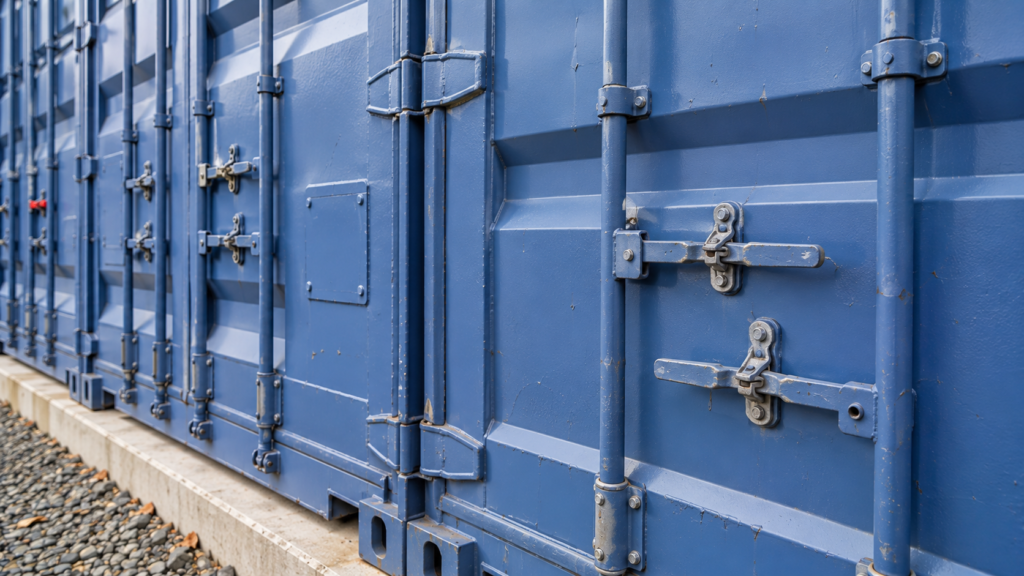
SteelSafe’s container-style doors use locking bars and hardware that differ from a conventional self-storage roll-up door.
More Room Changes the Value Equation
Construction tells you what kind of unit you’re renting. Space tells you how much you’re getting from it.
A SteelSafe 8×20 provides 160 square feet of floor space. Compared with a typical 10×10 at 100 square feet, that’s 60% more floor space.
That difference becomes meaningful when you’re comparing what fits—not simply the number printed on a monthly rate.
SteelSafe’s value proposition is 60% more space for the same price, especially when its 8×20 units are compared with smaller standard units. That gives customers another practical measurement to consider alongside construction: how much usable space are you actually getting for what you’re paying?
Open the Doors and Look Inside
This is where the numbers become easier to picture.
An empty SteelSafe unit lets you see the floor area, full interior length, walls, ceiling, and enclosure as one complete space.
For a homeowner, that space could mean more room for furniture, boxes, and seasonal belongings. For a contractor or small business, it could mean additional room for tools, materials, equipment, or inventory.
The important part isn’t simply that the unit has a certain number of square feet. It’s being able to picture whether that space works for what you actually need to store.
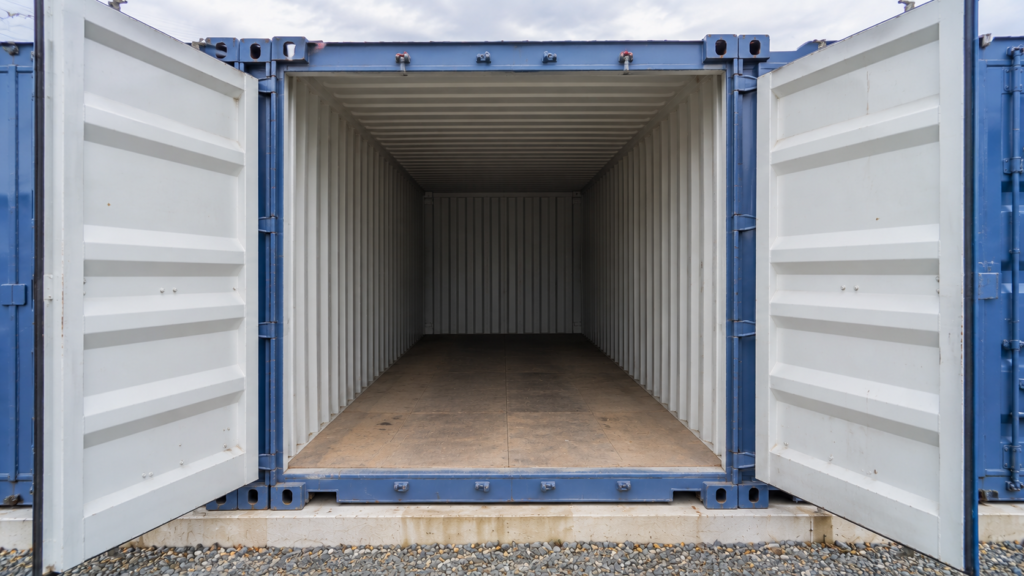
Seeing an empty SteelSafe unit makes the usable floor space and individual steel enclosure easier to understand.
See What You’re Getting
A storage decision can start with monthly rate and square footage, but those numbers don’t show the whole product.
SteelSafe gives customers something they can examine for themselves: an individual heavy-duty steel structure, four solid steel walls, container-style doors and locking hardware, and a space designed around a different footprint from the conventional units many renters are used to seeing.
Add 60% more floor space when comparing an 8×20 with a typical 10×10, and the difference becomes something you can measure as well as see.
The best comparison is the one that shows you what you’re actually getting for your money.
Ready to Reserve a Self Storage Unit?
Additional Resources
Built Differently: A Closer Look at What Makes a SteelSafe Storage Unit Stand Out
Built Differently: A Closer Look at What Makes a SteelSafe [...]

Need Storage Next Month? How SteelSafe’s Future Reservation Works
Need Storage Next Month? How SteelSafe’s Future Reservation Works You [...]
Is Your Work Trailer Costing You Time? When Contractors Should Consider a Storage Unit
Is Your Work Trailer Costing You Time? When Contractors Should [...]

How Quickly Can I Get Into My Storage Unit After Renting Online?
How Quickly Can I Get Into My Storage Unit After [...]
Storage Unit Moisture and Condensation: What Causes It and How Can You Reduce It?
Storage Unit Moisture and Condensation: What Causes It and How [...]
Drive-Up Storage: What Is It and Who Is It Best For?
Drive-Up Storage: What Is It and Who Is It Best [...]