

Storage Unit Moisture and Condensation: What Causes It and How Can You Reduce It?
Moisture can enter a storage unit in ways that are easy to overlook. Humid air and belongings that are damp when stored can both introduce moisture into the space.
As temperature and humidity conditions change, that moisture can turn into condensation.
Understanding how that happens—and what you can control when preparing your belongings—can help reduce unnecessary moisture during storage.
For a more detailed explanation, see SteelSafe’s guide to what causes condensation. SteelSafe’s existing guidance explains that condensation can develop when moisture is introduced into a container and conditions change.
What Causes Condensation in a Storage Unit?
Condensation occurs when moisture in the air turns into liquid water as conditions change.
A simple way to think about it is:
Moisture gets inside + conditions change = condensation can form.
Two common ways moisture can enter are through humid outside air when the doors are open and through belongings placed into storage while they still contain moisture.
Temperature swings can then change the conditions inside the unit, allowing some of that moisture to condense. SteelSafe’s condensation guidance also notes that humid or rainy conditions and larger temperature changes can contribute to condensation.
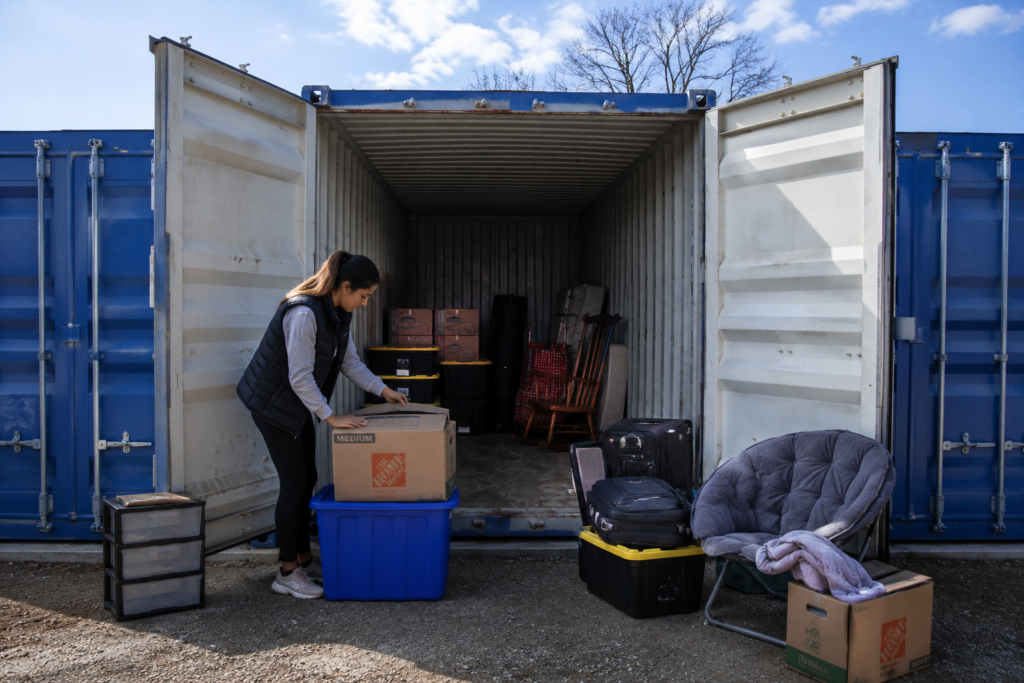
Checking belongings before storage can help keep unnecessary moisture out of the unit.
How Can You Reduce Condensation?
You cannot control every change in weather or temperature, but you can control much of the moisture you bring into storage.
1. Make Sure Belongings Are Dry Before Storage
Items such as mattresses, upholstered furniture, clothing, cushions, cardboard boxes, and other fabric-covered belongings can hold moisture.
If something has been exposed to rain, recently cleaned, or is still damp for another reason, allow it to dry thoroughly before storing it.
For more help preparing belongings, visit SteelSafe’s Packing & Storage Tips.
2. Pay Attention to the Weather When Loading
Opening the unit during humid or rainy weather allows outside air into the storage space.
You may not always be able to choose a perfectly dry moving day, but being aware of the conditions can help you limit unnecessary moisture during loading and unloading.
3. Check Outdoor Gear and Equipment
Outdoor items can easily carry moisture with them.
Before storing patio cushions, camping gear, tools, sports equipment, coolers, or similar belongings, check whether they have been exposed to rain, wet ground, or other moisture.
4. Consider a Moisture Absorber
A desiccant or moisture-absorbing product can help collect some moisture inside the storage space.
Use these products according to the manufacturer’s directions and treat them as an additional precaution rather than a replacement for proper storage preparation.
SteelSafe also provides additional tips for managing condensation.
5. Check Your Belongings Periodically
When practical, take a look at your stored belongings from time to time.
Periodic checks give you an opportunity to notice moisture or other changes early instead of discovering them much later.
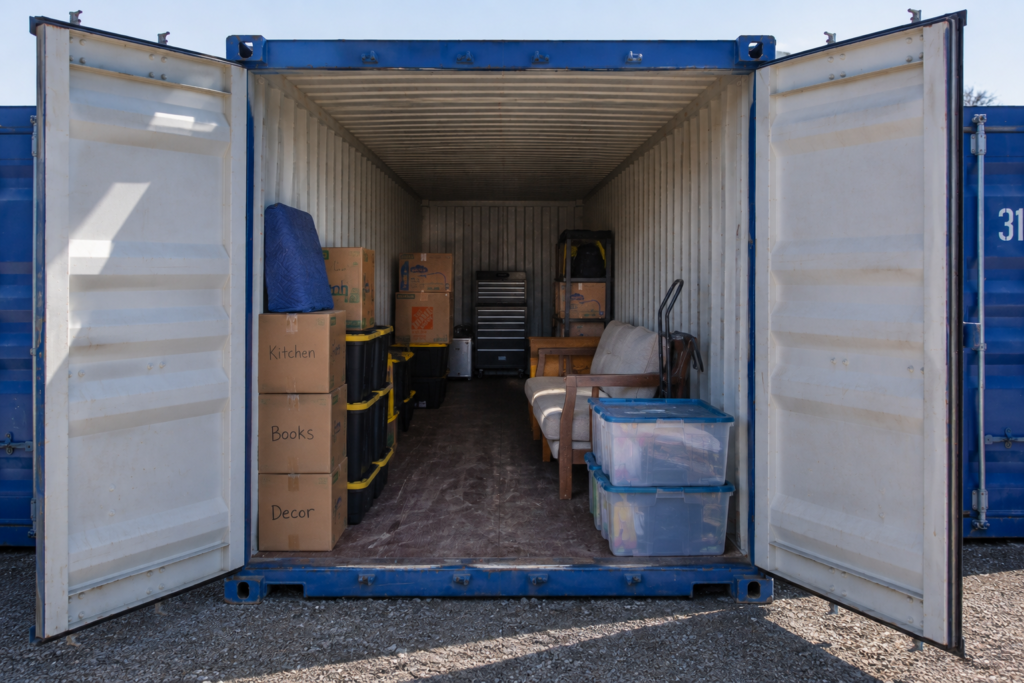
A clean, dry setup makes it easier to keep an eye on your belongings while they are in storage.
If You Notice Moisture
If you notice moisture, think about recent conditions first. Consider whether anything was stored damp or whether the unit was recently accessed during humid or rainy weather.
Condensation is one possible source of moisture, but it is not the only one. If moisture is recurring, unexplained, or appears to be coming from the unit itself, contact SteelSafe so it can be reviewed.
Start Dry
The best time to manage moisture is before your belongings go into storage.
Starting with dry belongings and being mindful of the conditions when you load the unit can make a meaningful difference over time.
Helpful Resources
Ready to Reserve a Self Storage Unit?
Additional Resources
How to Prepare Seasonal Equipment for Storage in Granby, CO
How to Prepare Seasonal Equipment for Storage in Granby, CO [...]
What Size Parking Space Do You Need for a Trailer, Boat, or RV?
What Size Parking Space Do You Need for a Trailer, [...]
Garage Full? When a Storage Unit Makes More Sense Than More Shelving
Garage Full? When a Storage Unit Makes More Sense Than [...]
Built Differently: A Closer Look at What Makes a SteelSafe Storage Unit Stand Out
Built Differently: A Closer Look at What Makes a SteelSafe [...]

Need Storage Next Month? How SteelSafe’s Future Reservation Works
Need Storage Next Month? How SteelSafe’s Future Reservation Works You [...]
Is Your Work Trailer Costing You Time? When Contractors Should Consider a Storage Unit
Is Your Work Trailer Costing You Time? When Contractors Should [...]