

Need Storage Next Month? How SteelSafe’s Future Reservation Works
You know you’re going to need storage. You know roughly when you’ll need it. But you don’t need the unit today.
At SteelSafe, you can reserve a storage unit up to 30 days in advance, so you can make the arrangement now and choose when your rental begins.
That gives you one less thing to figure out as your move, renovation, or other plans get closer.
When a Future Reservation Makes Sense
A future reservation can be useful when the date is already on your calendar.
Maybe your lease ends next month. You have a closing date coming up. A renovation is scheduled to begin. Your business needs additional space starting on a known date.
In those situations, you already know storage will be part of the plan. Reserving ahead lets you handle that decision before the day arrives.
You’re planning ahead—not starting your rental early.
You Can Reserve Up to 30 Days Ahead
SteelSafe allows customers to reserve a unit up to 30 days in advance.
If you know you’ll need storage three weeks from now, for example, you can make the arrangement while storage is already on your mind instead of returning to the search later.
That can be especially helpful when you already know which location or unit size you’ll need.

If your move is already on the calendar, you can plan your storage before moving day arrives.
When Does Billing Start?
SteelSafe’s current process states that billing begins on the day your rental starts and you receive your lock code.
That means making the reservation ahead of time and starting the rental today are not the same thing.
If you need storage immediately, SteelSafe also offers online same-day rentals.
What If You Need the Unit Today?
Then there’s no reason to choose a future date.
SteelSafe’s online rental process supports immediate move-in, so customers who are ready to use the space now can complete the rental online and receive the information needed to access their unit without waiting for a traditional office visit.
See How Online Rental and Move-In Work at SteelSafe
So choose the start date based on when you actually need the space.
What If Your Date Isn’t Certain Yet?
You don’t need to make a reservation simply because you think you might need storage.
If your moving date, renovation schedule, business need, or other plans are still uncertain, wait until you have a clearer timeline.
Future reservations are most useful when you know storage is coming and have a reasonable idea of when you’ll need it.
What Happens When Your Rental Begins?
SteelSafe is remotely managed, so you don’t need to plan around a traditional office visit.
When your rental begins, SteelSafe provides the lock code needed for access to your unit.
That lets you handle the planning beforehand and focus on moving your belongings when your start date arrives.

When your planned rental date arrives, your storage space is ready to become part of the move.
Plan the Storage Date Along With Everything Else
If you already know you’ll need storage next month, you can take care of the decision before it becomes another last-minute task.
Choose a date that fits your plans, make the arrangement, and move on to everything else you need to get done.
When the need is already on the calendar, your storage can be too.
Ready to Reserve a Self Storage Unit?
Additional Resources

Need Storage Next Month? How SteelSafe’s Future Reservation Works
Need Storage Next Month? How SteelSafe’s Future Reservation Works You [...]
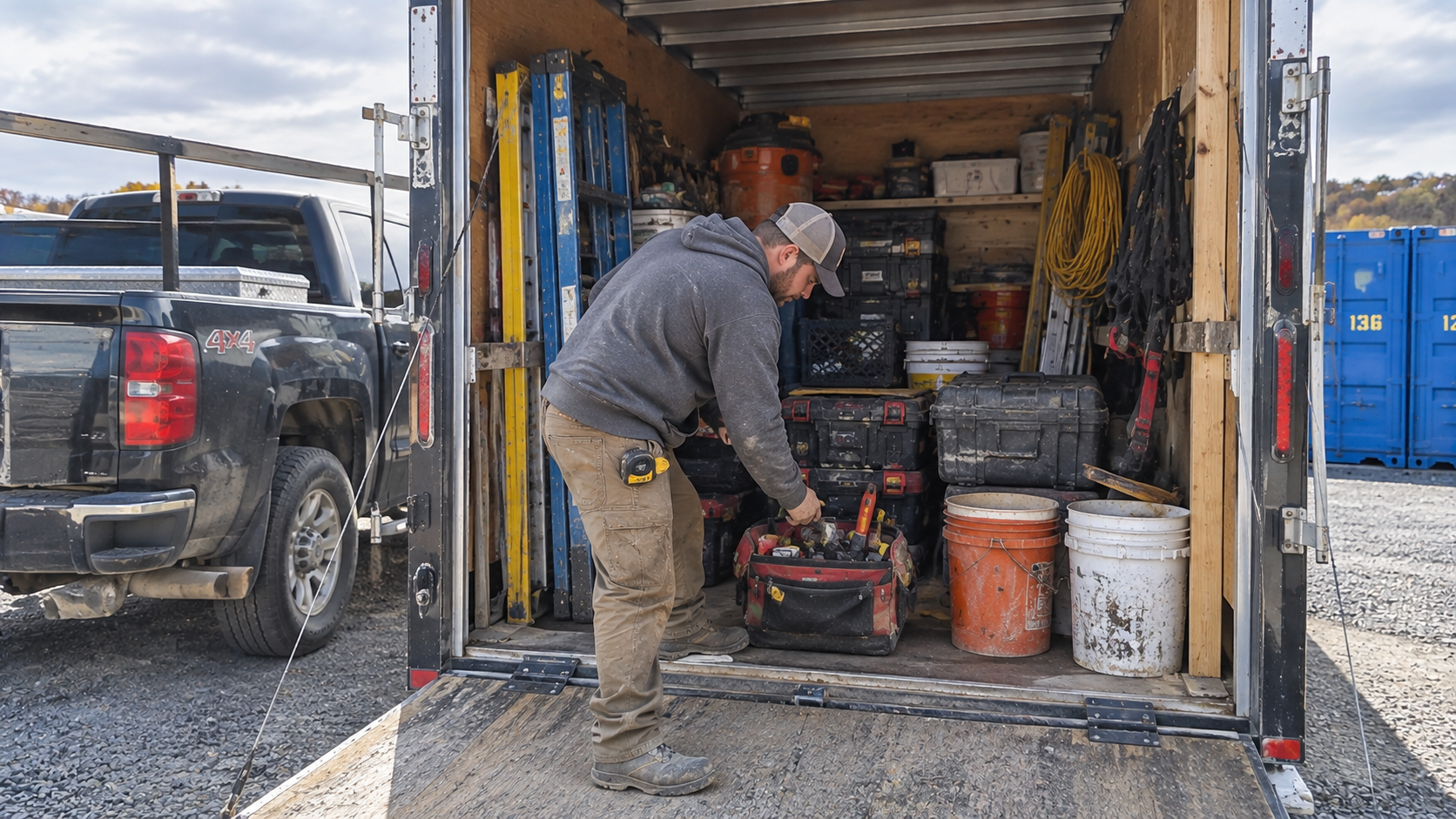
Is Your Work Trailer Costing You Time? When Contractors Should Consider a Storage Unit
Is Your Work Trailer Costing You Time? When Contractors Should [...]

How Quickly Can I Get Into My Storage Unit After Renting Online?
How Quickly Can I Get Into My Storage Unit After [...]
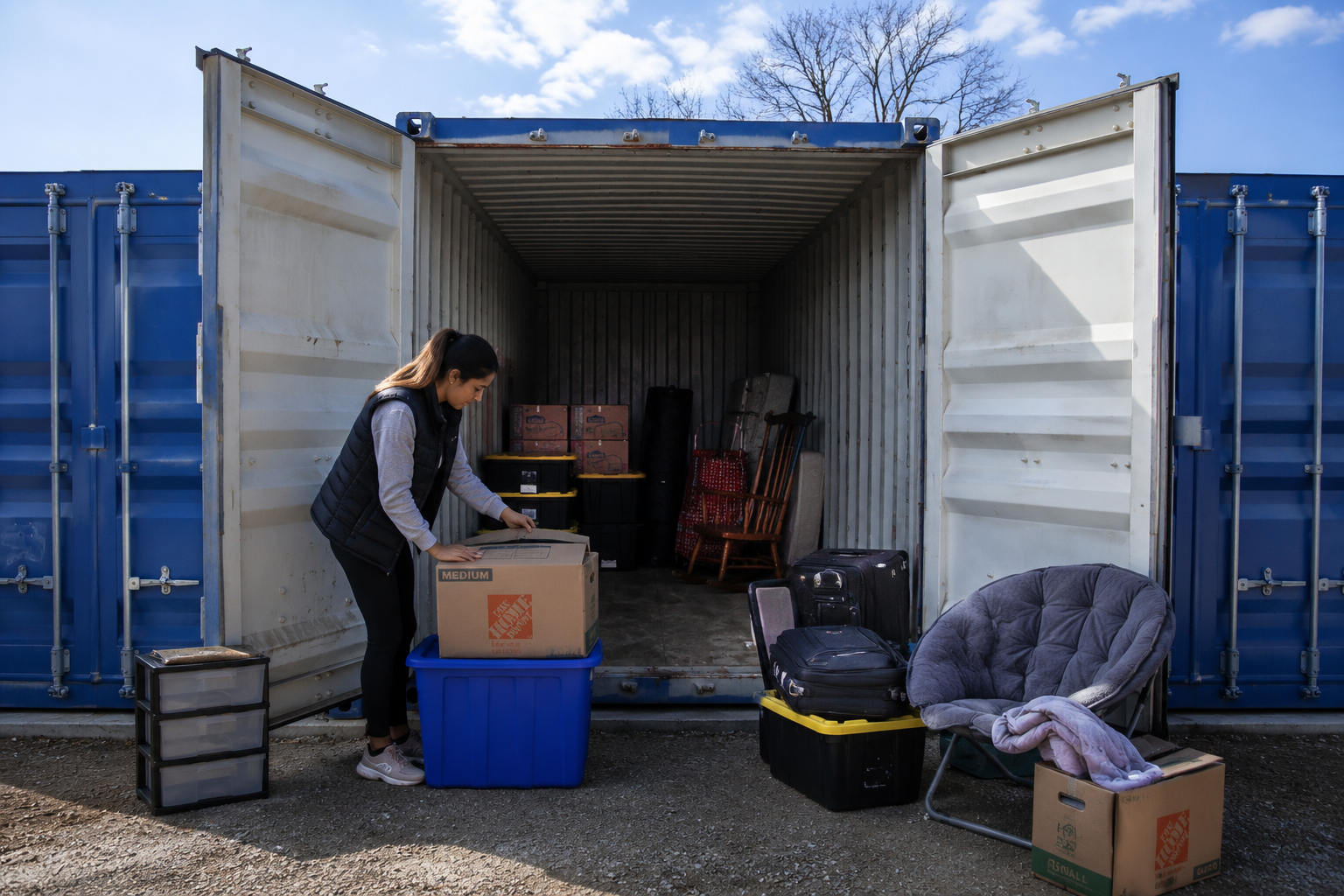
Storage Unit Moisture and Condensation: What Causes It and How Can You Reduce It?
Storage Unit Moisture and Condensation: What Causes It and How [...]
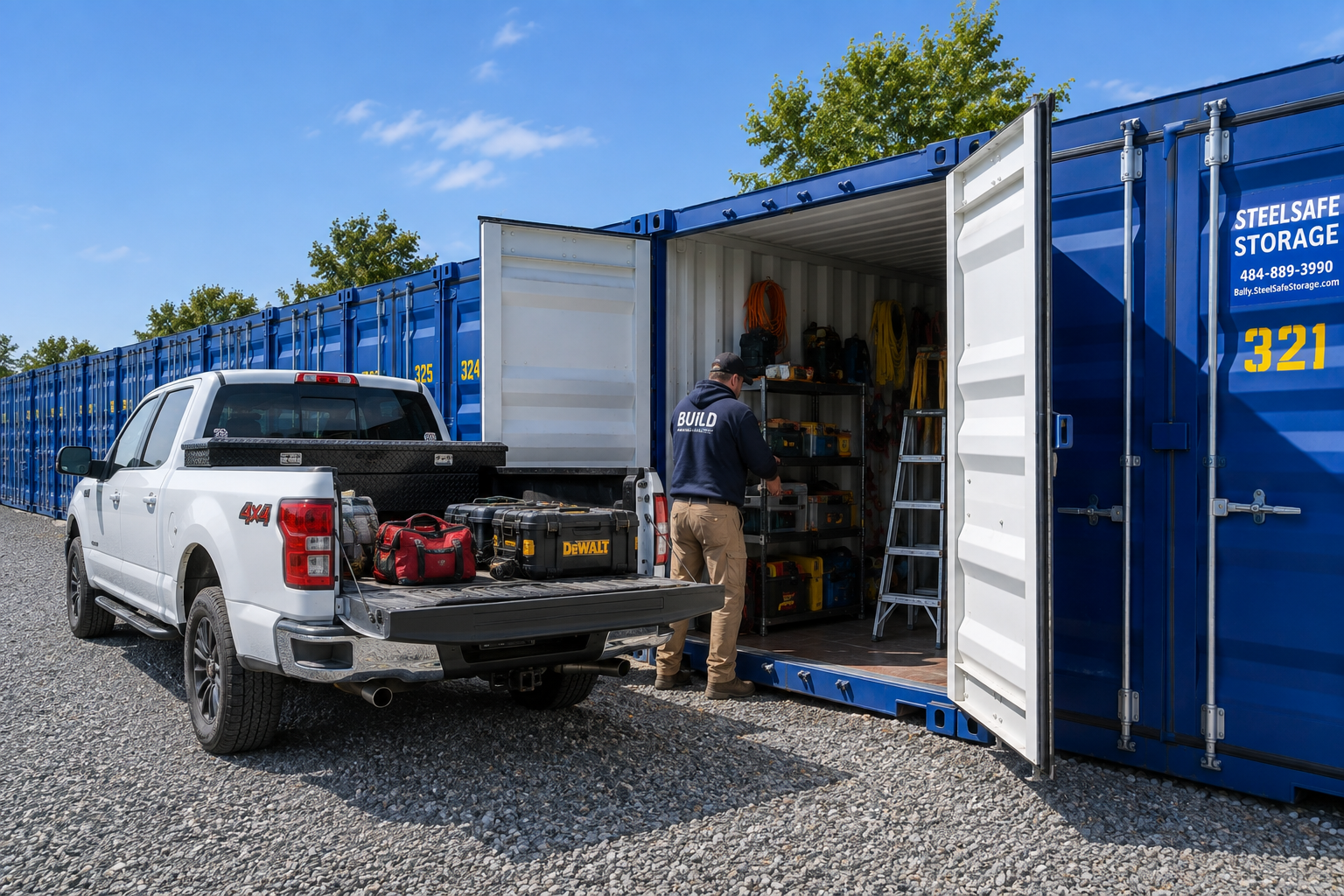
Drive-Up Storage: What Is It and Who Is It Best For?
Drive-Up Storage: What Is It and Who Is It Best [...]
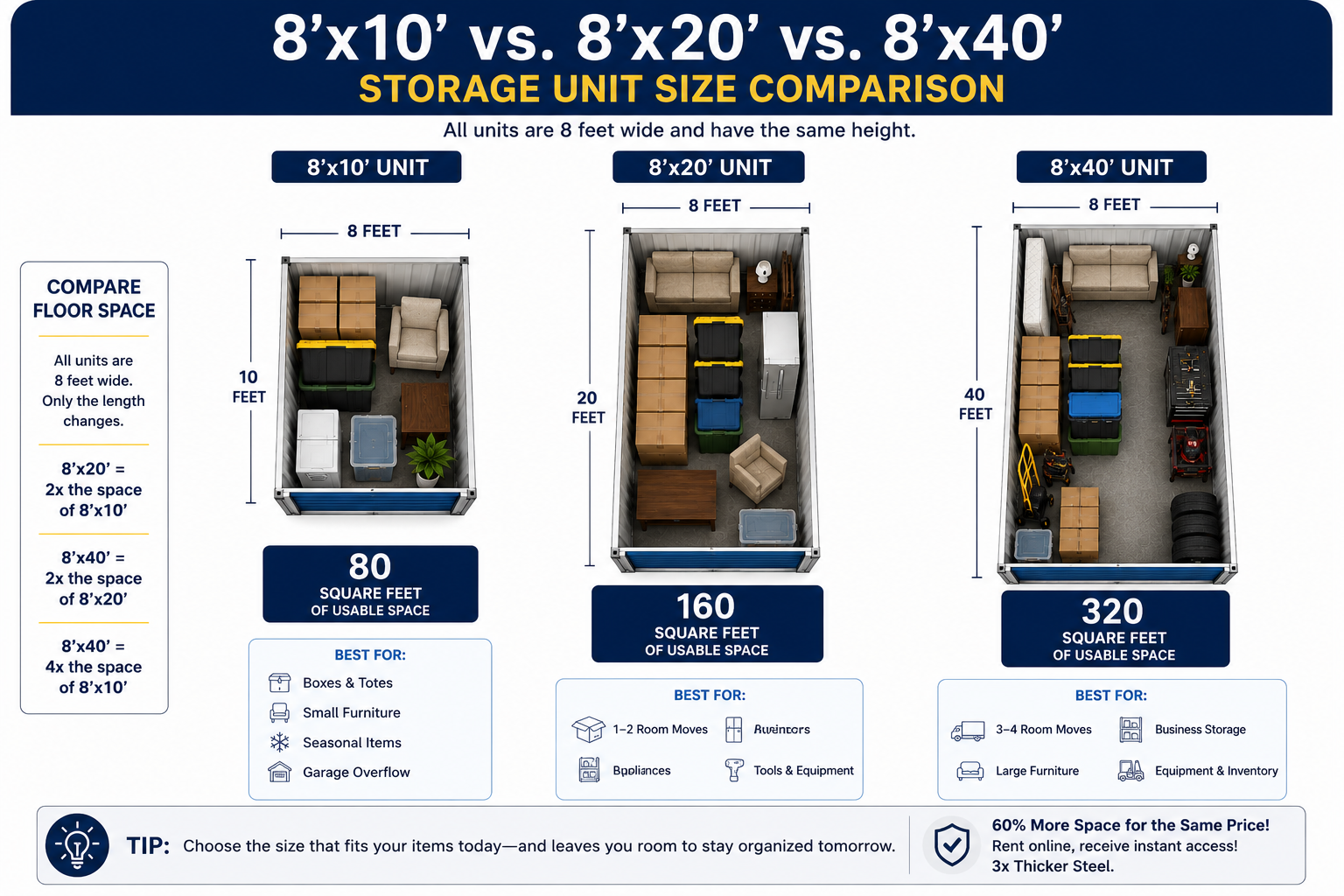
8×10 vs. 8×20 vs. 8×40 Storage Units: Which Size Do You Need?
8×10 vs. 8×20 vs. 8×40 Storage Units: Which Size Do [...]