

Drive-Up Storage: What Is It and Who Is It Best For?
When choosing a storage unit, size and price aren’t the only things worth comparing. How you get your belongings in and out of the unit can make just as much difference.
That’s where drive-up storage comes in.
A drive-up storage unit gives you ground-level exterior access, allowing you to bring your vehicle close to the unit for loading and unloading.
For someone moving a few boxes, that may not seem like a big deal. But when you’re moving furniture, loading tools and equipment, or visiting your unit regularly, every extra trip between the vehicle and storage unit adds up.
So, who actually benefits from drive-up access?
What Is Drive-Up Storage?
Drive-up storage is a storage unit that you can approach directly by vehicle.
Instead of parking in a separate loading area and carrying belongings through a building, hallway, or elevator, you load and unload from outside.
At SteelSafe, our standard container storage units are located at ground level with drive-up access. Customers can bring their vehicle close to the unit rather than moving everything through a shared interior loading route.
The real advantage isn’t simply having an exterior door. It’s having fewer steps between your vehicle and your belongings.
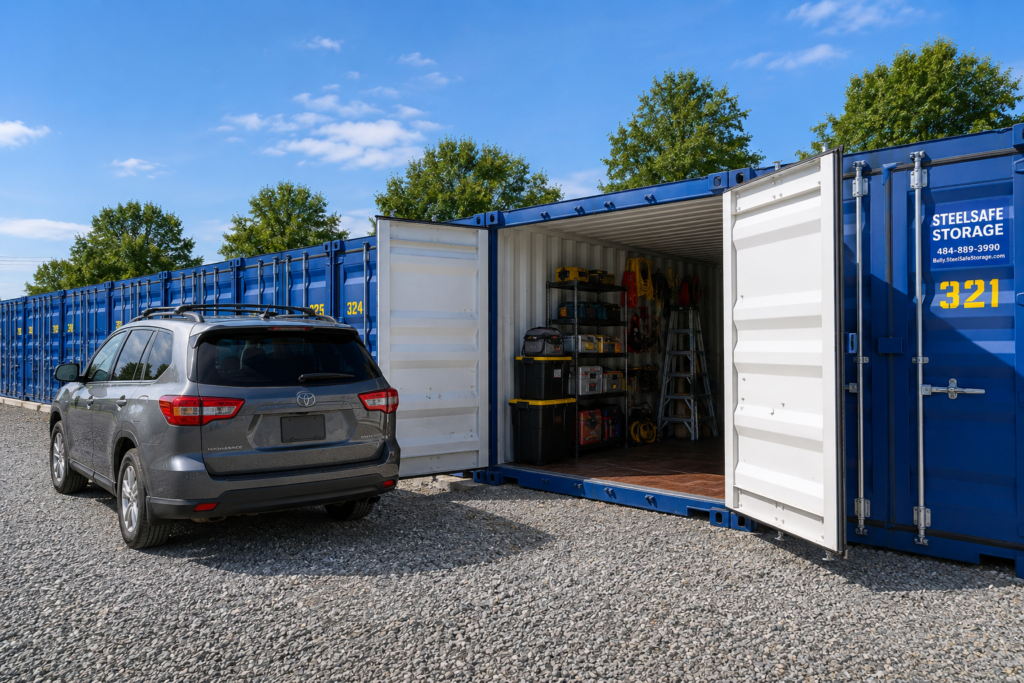
Drive-up storage shortens the distance between your vehicle and your storage unit.
Who Is Drive-Up Storage Best For?
Drive-up access becomes more valuable when you’re moving large, heavy, or frequently used belongings.
Homeowners and movers may appreciate the shorter loading route when moving furniture, mattresses, boxes, garage items, and other household belongings.
Contractors and tradespeople may benefit when tools, ladders, equipment, and approved supplies need to move in and out regularly.
Small businesses may find it practical for suitable inventory, equipment, displays, or supplies that are accessed throughout the month.
At SteelSafe, we see the value of drive-up access change depending on how the unit is used. Someone moving may appreciate it most on move-in and move-out day. A contractor may benefit from it several times a week. A business owner may value it whenever inventory or equipment needs to be picked up.
That’s an important distinction: the more often you’re moving things in and out, the more direct access tends to matter.
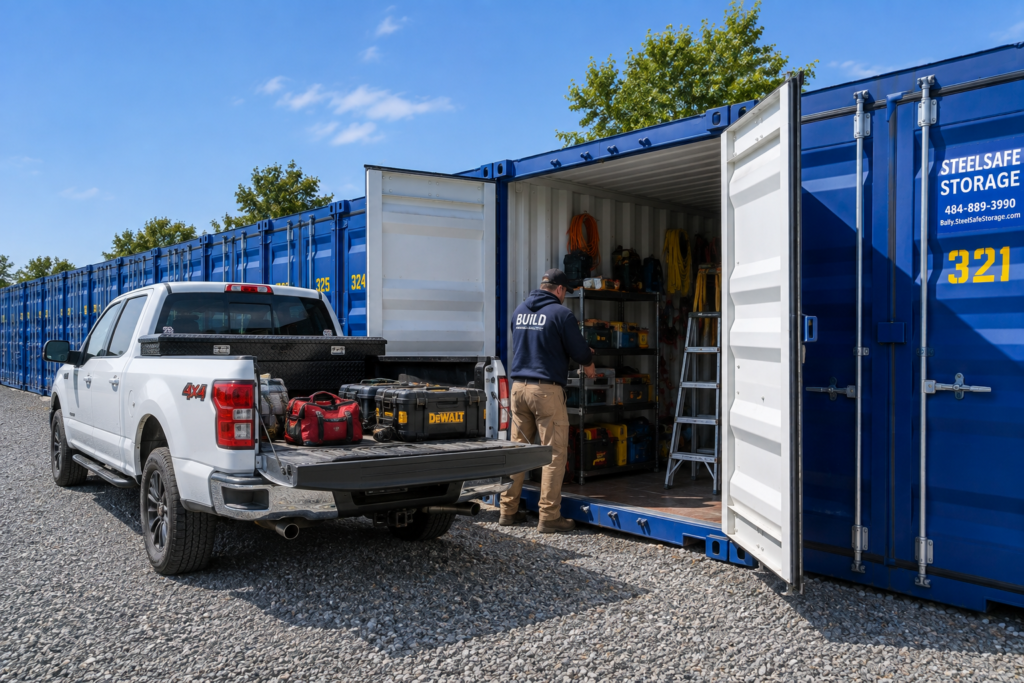
Direct access can be especially useful when belongings move in and out of storage regularly.
Drive-Up Storage vs. Indoor Storage
Neither option is automatically better. What matters is how you plan to use the space.
| Drive-Up Storage | Indoor Storage |
| Exterior, ground-level entrance | Unit is accessed from inside a building |
| Vehicle can usually get close to the unit | Vehicle generally remains in a separate loading area |
| Fewer handling steps for bulky belongings | May involve hallways, doors, carts, or elevators |
| Useful for frequent loading and unloading | Direct vehicle access may be less important |
One thing to keep in mind: drive-up access and climate control are two different features.
Drive-up describes how you reach your unit. Climate control describes how the unit’s interior environment is managed. If you’re storing belongings that may be sensitive to temperature or humidity, confirm the conditions of the specific unit before renting.
What Should You Consider Before Choosing Drive-Up Storage?
Rather than choosing drive-up storage simply because it sounds more convenient, think about how you’ll actually use the unit.
How often will you visit?
If you’ll be adding or retrieving belongings regularly, having your vehicle close to the unit can save repeated trips back and forth.
If you’re putting a few boxes away and won’t return for months, direct access may be less important.
What will you be moving?
Think about the heaviest or most awkward items you’re storing.
Furniture, ladders, equipment, large boxes, and other bulky belongings make a shorter loading route much more noticeable than a few lightweight containers.
What vehicle will you use?
A car, pickup truck, moving truck, and truck with a trailer all require different amounts of maneuvering space.
Property layouts vary. If you’re bringing a large moving truck, box truck, or long trailer, check with the specific facility beforehand to make sure the vehicle can comfortably access the property.
Are the items allowed in storage?
Storage facilities have rules about what can and cannot be stored. This is particularly important for contractors and businesses storing supplies or materials.
Review the facility’s prohibited-items policy before moving in, and ask the location if you’re unsure about a particular item.
What Else Should You Look for Besides Drive-Up Access?
Drive-up access can make storage easier to use, but it shouldn’t be the only thing you compare.
Also consider:
- Access hours
- Security features
- Property lighting and condition
- Available unit sizes
- Vehicle and turning space
- Storage rules
- Current pricing and availability
In other words, drive-up tells you how you reach the unit—not whether the facility as a whole is right for you.
Is Drive-Up Storage Right for You?
The easiest way to decide is to picture your next visit.
What will you be carrying? What vehicle will you arrive in? How often will you make that trip?
If getting your vehicle close to the unit removes unnecessary work from that process, drive-up access is probably worth considering.
If you’ll rarely visit or you’re storing only a few lightweight items, direct access may matter less than other features.
There isn’t one storage type that’s right for everyone. The useful question isn’t simply, “Does this facility have drive-up storage?”
It’s:
“Will drive-up access make the way I actually use storage easier?”
Once you can answer that, comparing your options becomes much simpler.
Helpful Resources
Find a SteelSafe Location
See nearby SteelSafe facilities and check current unit sizes, availability, and pricing.
Packing & Storage Tips
Learn how to prepare, pack, and organize your belongings before putting them into storage.
Ready to Reserve a Self Storage Unit?
Additional Resources
How to Prepare Seasonal Equipment for Storage in Granby, CO
How to Prepare Seasonal Equipment for Storage in Granby, CO [...]
What Size Parking Space Do You Need for a Trailer, Boat, or RV?
What Size Parking Space Do You Need for a Trailer, [...]
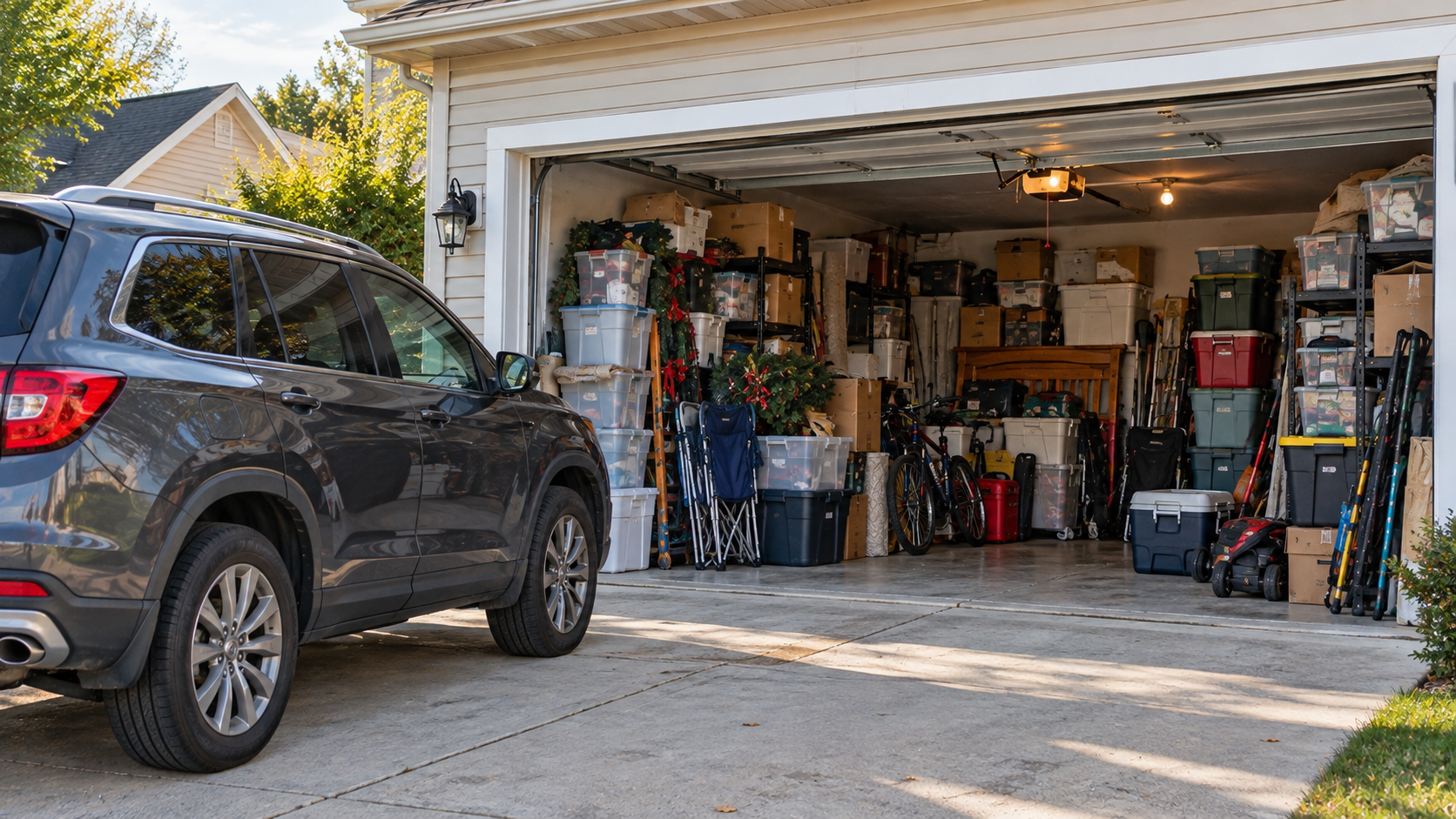
Garage Full? When a Storage Unit Makes More Sense Than More Shelving
Garage Full? When a Storage Unit Makes More Sense Than [...]
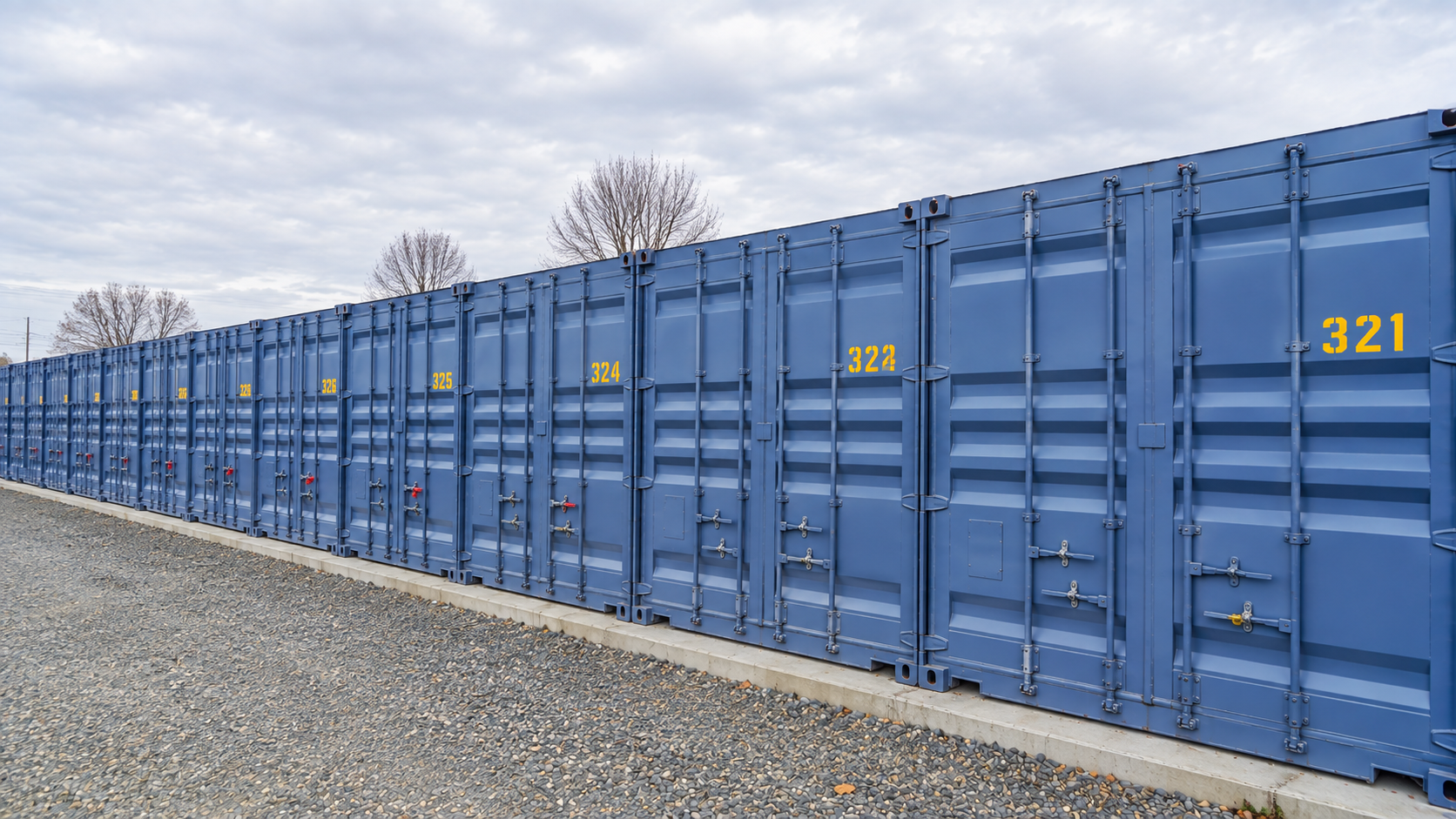
Built Differently: A Closer Look at What Makes a SteelSafe Storage Unit Stand Out
Built Differently: A Closer Look at What Makes a SteelSafe [...]

Need Storage Next Month? How SteelSafe’s Future Reservation Works
Need Storage Next Month? How SteelSafe’s Future Reservation Works You [...]
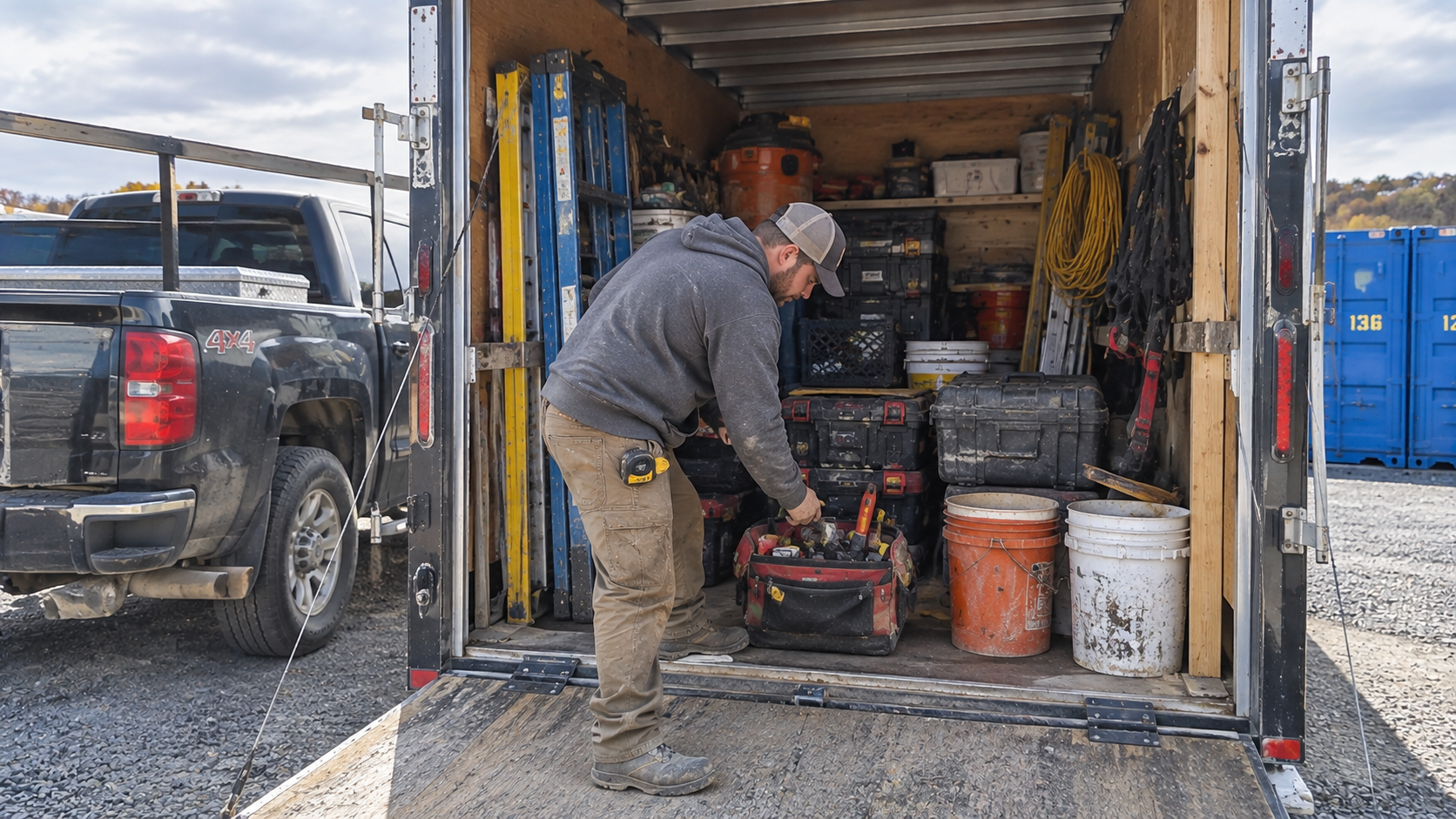
Is Your Work Trailer Costing You Time? When Contractors Should Consider a Storage Unit
Is Your Work Trailer Costing You Time? When Contractors Should [...]